Launch Offer: up to 50% off

This item is 50% off: $24.50 instead of $49

Ends in
--
Days
--
Hrs
--
Min
--
Sec

DEV3 Cardvale – Digital Business Card SaaS Laravel Script with Team Branding Locks, QR & NFC, Lead Exchange

A self-hosted digital business card platform on Laravel 12 and Filament 4: team cards with locked company branding, vCard and wallet export, QR and NFC tap tracking, a consent-aware lead exchange form and card analytics. Web installer and demo data included. No mobile apps.

by DEV3 TechnologiesVerified Author(0) 0 sales 0 viewsUpdated 08 Nov 2026

Video tour. Pick a section below to browse 100 screenshots in 9 sections.

App & phone tours

Tap play to watch each app. Nothing downloads until you do.

  • Mobile web1:07

Cardvale is a digital business card platform you host yourself, built by DEV3 Technologies on Laravel 12 and Filament 4. Each customer is a workspace: a solo professional with one card, or a company whose admin sets the brand once and whose people fill in only their own details. The operator runs plans, domains and abuse reports from a separate panel.

What it does

  • Cards that stay current. Six templates, a full-page editor with a live phone preview, links, social profiles, services, a gallery, a video link and an appointment link. Every card is a fast server-rendered page with a strict content security policy, a front/back crossfade between details and QR, light and dark, and right-to-left for Arabic.
  • Save contact and wallet. A vCard 3.0 or 4.0 download built from the published card (folded by bytes, escaped per component, photo shrunk to fit), and a complete Apple Wallet pass file with manifest hashes and a detached signature.
  • QR and NFC. Each card has a QR code and a permanent tap address that never changes when the page address does. Taps and QR scans are counted separately; write chips with any NFC app.
  • Team branding with locks. Lock logo, colours, font, company name, address, website, legal footer, template and company links. Locks hold in the editor, in Livewire and in the API; a change to the brand kit reaches every member card on its next view with no bulk rewrite.
  • Lead exchange. Visitors share their details back with a stored consent record; the card is emailed to them once a day at most, duplicates are merged, bots are archived as spam, and each new lead can fire a signed webhook with retries.
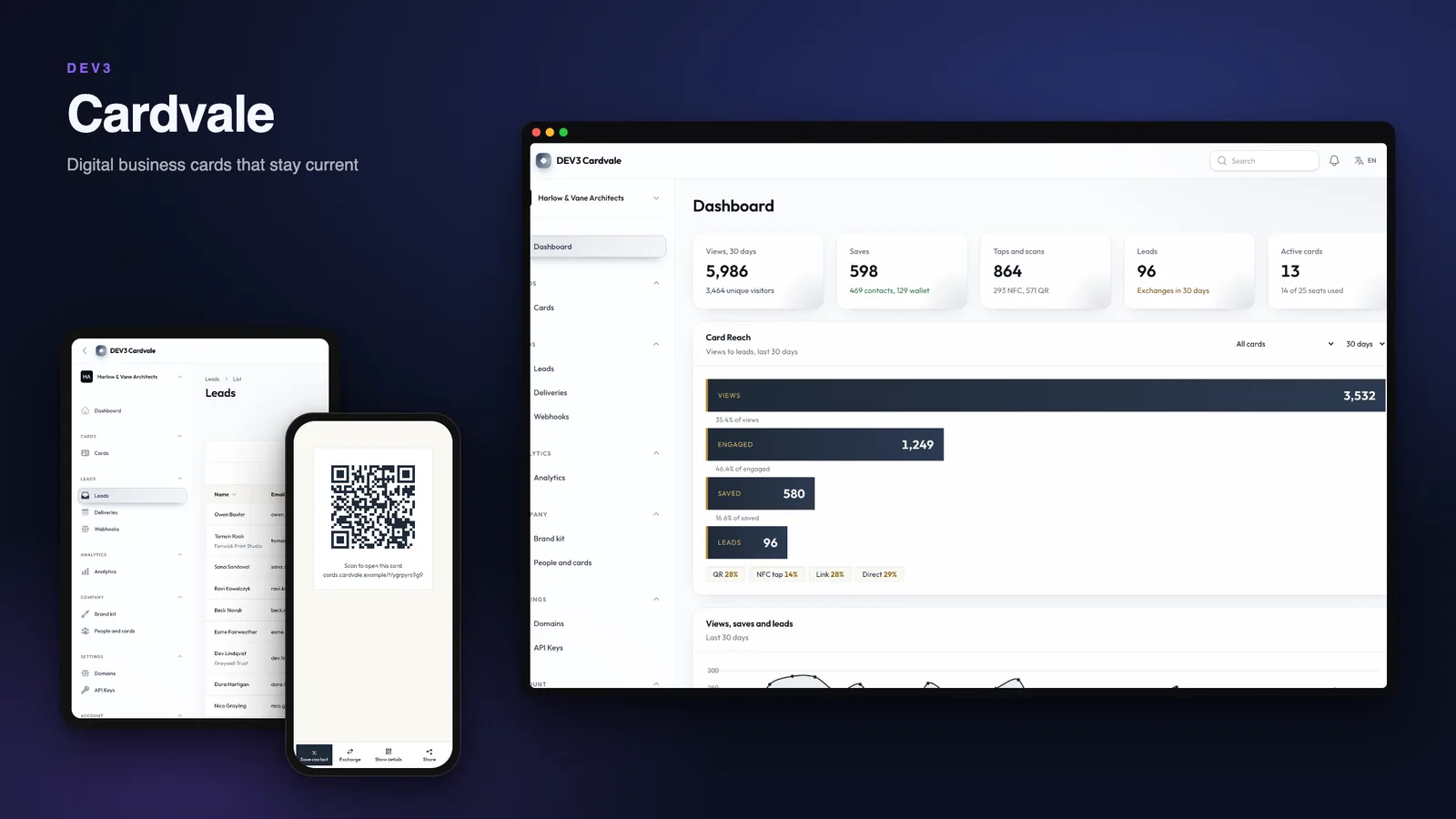
  • Analytics. Views, unique visitors, saves, wallet adds, taps, QR scans, link clicks and leads per card and per team, with the Card Reach funnel and source shares.
  • Seats and people. Seat packs enforced under a row lock, pending invitations that reserve a seat, and a leaver flow that deactivates their cards and redirects printed QR codes and chips to the company card.
  • Company domains, expiring event cards, a REST API with scoped hashed keys and an OpenAPI document, CSV export, and an operator panel with tenants, plans, invoices, all cards, abuse reports and audited view-only support sessions.

Quality checks

The release passed seven gates on the final code: Larastan level 6 with 0 errors, 223 Pest tests, a build well inside the page budget, migrations and seeds on MySQL 8 and SQLite, a headless smoke test of 77 pages with five race checks run on MySQL (two invites for the last seat, two claims of one address, three exchanges with one email, a member removed while their card is published, a hundred parallel views), the installer driven from the zip, and a secret scan. The home page scores 96 for performance and 100 for accessibility on mobile.

What you should know before buying

  • Apple Wallet passes need your own Apple Pass Type ID certificate. The demo signs with a built-in demo certificate: the file is structurally valid but will not install on a device. Google Wallet needs your own issuer account; without it the button stays off.
  • Writing NFC chips is done with an NFC app. Cardvale gives you the address; ordering physical cards is not built.
  • The appointment link is a URL to your own booking page with click tracking. There is no scheduler.
  • Connect your CRM by CSV export or signed webhooks.
  • Plans are billed by the operator through the platform gateway (simulated by default; Stripe, Razorpay and PayPal drivers are present). Workspaces cannot connect their own payment account. Team and Business are sold as seat packs.
  • Company domains verify with a DNS TXT record (the demo simulates the lookup). Point DNS and terminate SSL at your web server or proxy.
  • Geo-IP uses a small bundled table in the demo; add a GeoLite2 file for real locations.
  • Web only: there are no mobile apps. Node.js is not needed (assets are prebuilt).

Included

Source code, the web installer, a buyer guide, demo data with fictional brands and people (24 workspaces, 96 users, 118 cards, 6,000+ leads), a cron entry for the scheduler, and six months of support. Photos are listed with their licence in the source tree.

How it's built

Architecture, stack, key decisions and the quality gates DEV3 Cardvale passed before release.

The engineering behind Cardvale: one editing service behind the editor, Livewire and the API, brand versions instead of bulk rewrites, seat counts taken under a row lock and view counting that two parallel requests cannot double.

The problem it solves

A business card looks like a static page until a company has fifteen of them. The address must change on all fifteen at once, a member must not be able to edit the company's colours through any door, two invitations must not take the last seat, a printed QR code must survive a renamed page, and a view counter must not count one visitor twice when two requests race. Each of those is a rule that only shows up under real use.

Architecture and approach

Cardvale is a Laravel 12 application with a Filament 4 operator panel at /admin, a workspace panel at /app and hand-built Blade pages for visitors. Every edit goes through one CardEditor that checks locks against the brand kit and re-reads the card under a row lock, so the editor, Livewire actions and the REST API refuse a locked field with the same field_locked error. The brand kit carries a version; card pages, contact files and wallet passes cache on the card version and the brand version, so a change reaches every card on its next view without rewriting any rows.

Seats are counted under the team row lock for invites, accepts and admin-created cards, with pending invitations reserving a seat. The QR code and NFC chips point to /t/{nfc_id}, an address that is random, never reused and always answered with a no-store redirect, so a renamed page or a deactivated card keeps working. Views are counted once per visitor per window by a unique row, and the rollups are upserted with increments and rebuilt nightly from raw hits; a reconciliation command compares the two. The vCard writer folds lines by bytes without splitting UTF-8, and the wallet pass is built with manifest hashes and a detached PKCS#7 signature from a swappable signer driver.

Quality gates and results

Cardvale 1.0.0 passed the seven release gates on the final code: Larastan level 6 with 0 errors, 223 Pest tests, a headless smoke test with five race checks on MySQL, the installer driven from the zip and a secret scan. The demo seed shows 24 workspaces, 118 cards and about 6,000 leads, and the reconciliation command passes on it.

Tech stack

Area Technologies
Application Laravel 12, Filament 4, Blade, REST API
Data MySQL 8, SQLite
Frontend Tailwind CSS 4, Vite
Quality Pest, Larastan level 6, Playwright

Inside the build

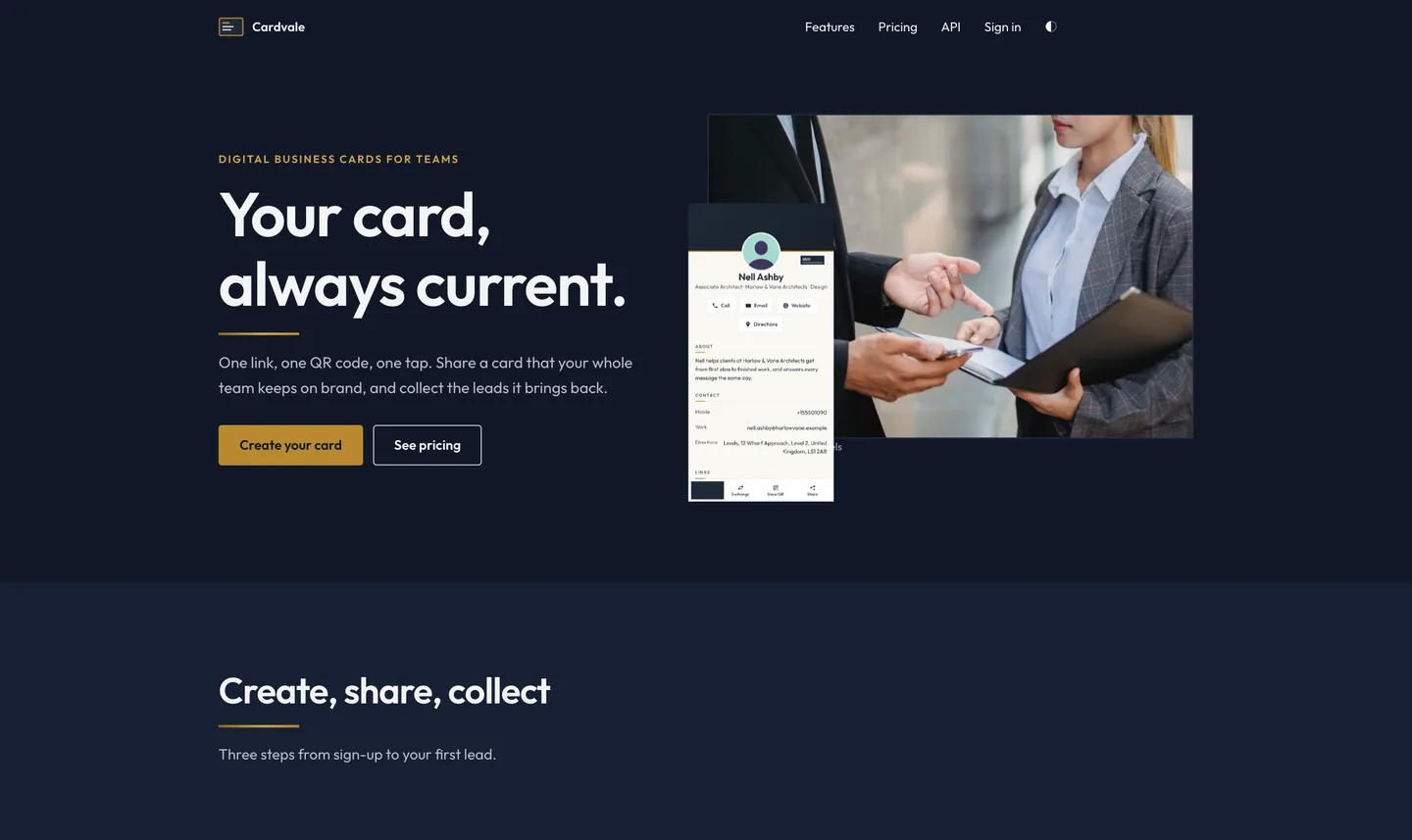
Hero: Hero — "Your card, always current." with a create-your-card button and a phone-frame card laid over a photo of two professionals meeting.

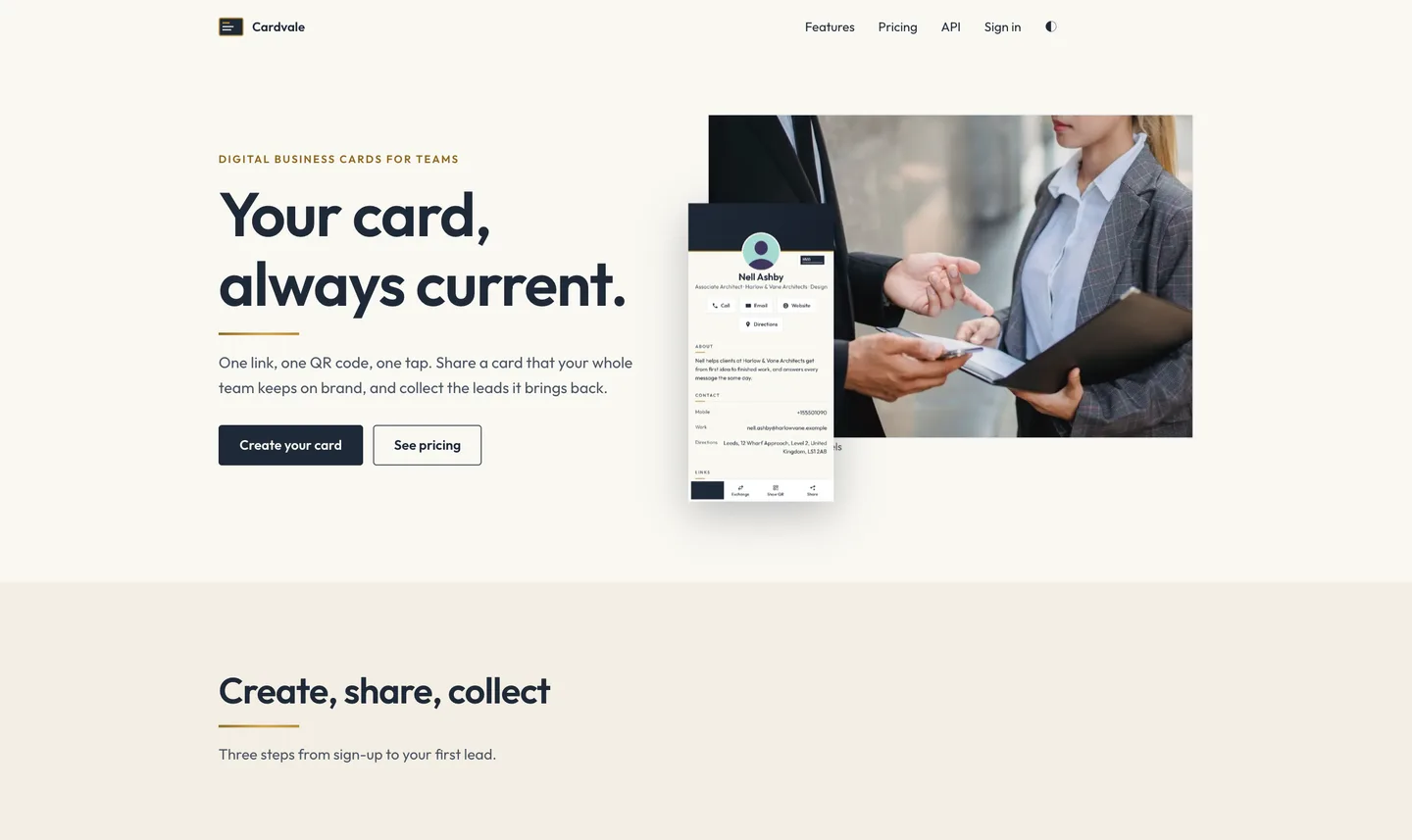
Dark mode: The same home page on slate night with brass highlights; the toggle in the header remembers the choice. Dark mode — The same home page on slate night with brass highlights; the toggle in the header remembers the choice.

Guides & articles

Practical guides and engineering write-ups for DEV3 Cardvale.

Digital business card software: 7 things to check before you pick one

Last updated
Digital business card software: 7 things to check before you pick one: DEV3 Cardvale

A business card is two seconds of attention and a lifetime of being out of date. Here are seven things to check before you pick software for a team, with DEV3 Cardvale as the worked example.
Cardvale home page: two professionals at an event and a card on a phone

1. Can the company lock its brand?

If every person can pick their own colours, fifteen cards look like fifteen companies. Cardvale lets an admin lock logo, colours, company name, address and legal footer. The lock holds in the editor and in the API, and a change reaches every card on its next view.
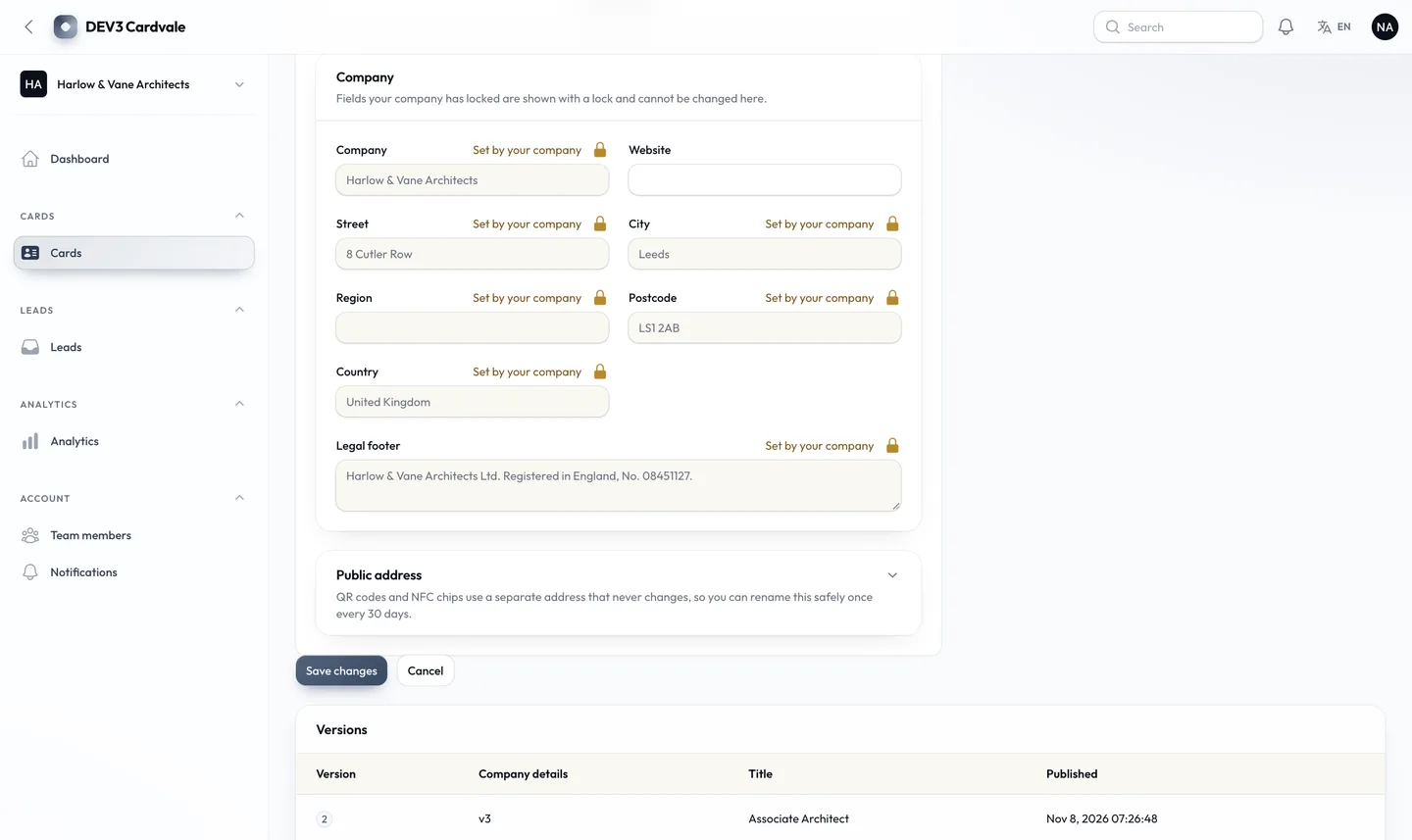
A member's editor with the company fields locked

2. Does Save contact really save the contact?

A good contact file escapes commas and semicolons, folds long lines without breaking accents and shrinks the photo. Cardvale builds vCard 3.0 or 4.0 from the published card.

3. What is behind the QR code and the NFC chip?

Print the page address and you cannot rename the page. Cardvale prints a permanent tap address instead, so a renamed page, or a card that was switched off, keeps working.
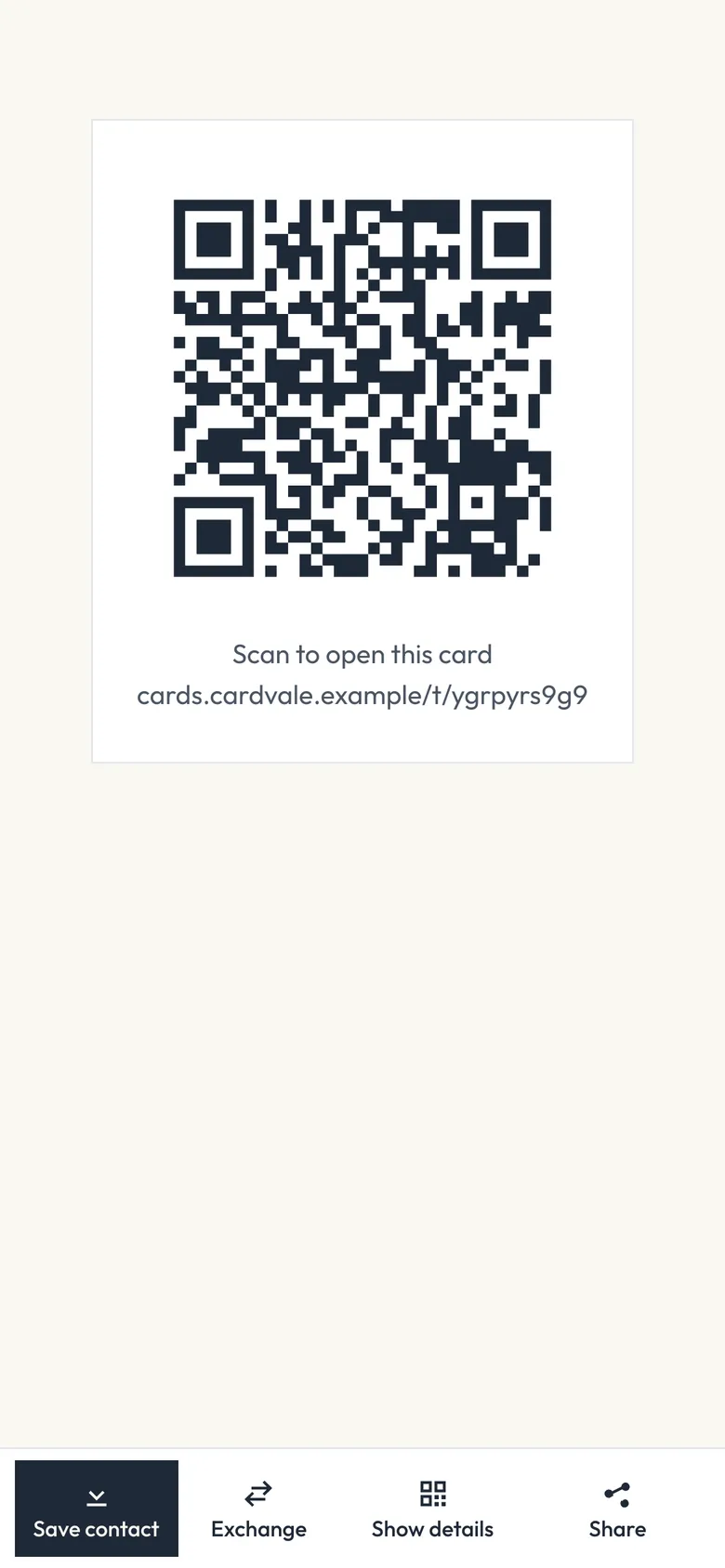
The QR side of a card, reached with a crossfade

4. How is lead consent recorded?

When a visitor shares their details, the wording they agreed to and the time should be stored with the lead. Cardvale does that, merges duplicates, archives bot submissions as spam and can send each new lead to your system through a signed webhook.
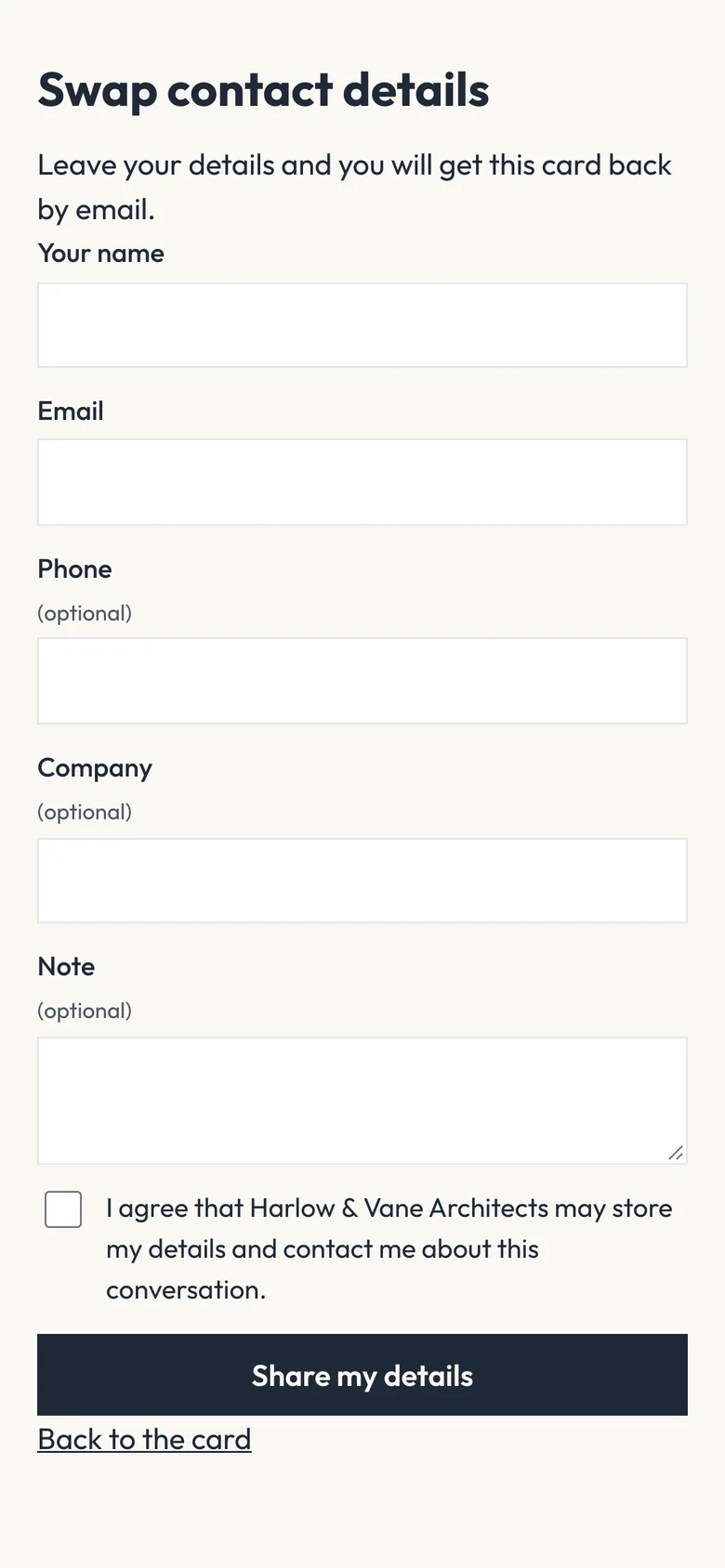
The exchange form with a consent box

5. Are the numbers honest?

Bots and repeat refreshes should not count. Cardvale counts a view once per visitor per window, keeps bots out, and shows a funnel from views to engaged, saved and leads.
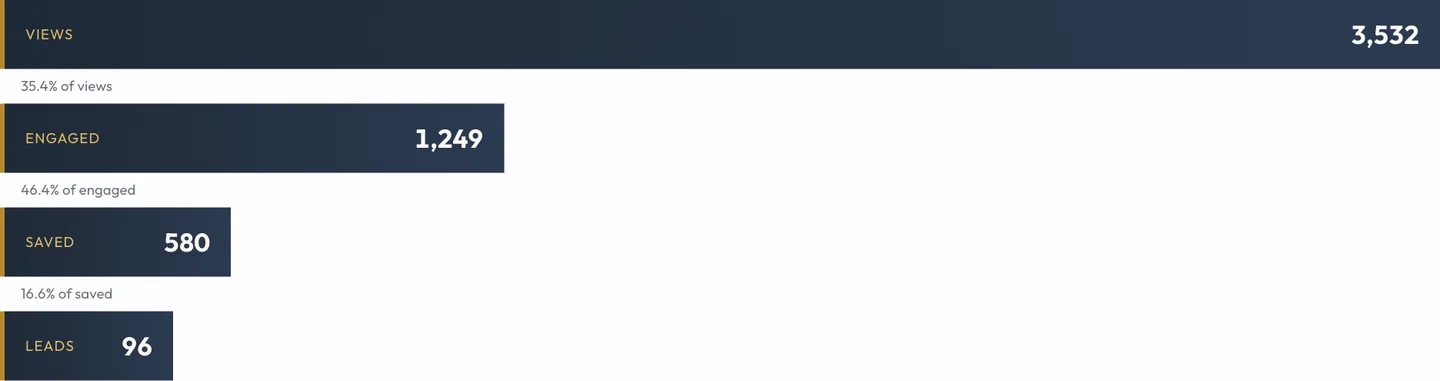
Card Reach: views, engaged, saved and leads

6. What happens when someone leaves?

Their card should stop working as theirs and still send visitors somewhere useful. Cardvale deactivates it, redirects it to the company card, frees the seat for someone else and keeps the leads with the company.

7. Who handles wallets and chips?

Be wary of anyone who promises more than the platforms allow.

Video: a tour of Cardvale from creating a card to a leaver's redirect

Limits to know

Apple Wallet passes need your own Pass Type ID certificate; the demo signs with a demo certificate and its passes will not install on a device. Google Wallet needs your own issuer account. NFC chips are written with any NFC app. The appointment link points at your own booking page. The buyer guide lists these plainly.
Frequently asked questions

The complete source code (version 1.0.0) as a download from your account, with the setup and usage guides shown on this page. You can modify the code to suit your product.

Buying guides: Laravel scripts with Filament panels and a web installer · Next.js or Laravel for a SaaS script?

More from this author

View all

Related in Web Scripts & Software

View all